
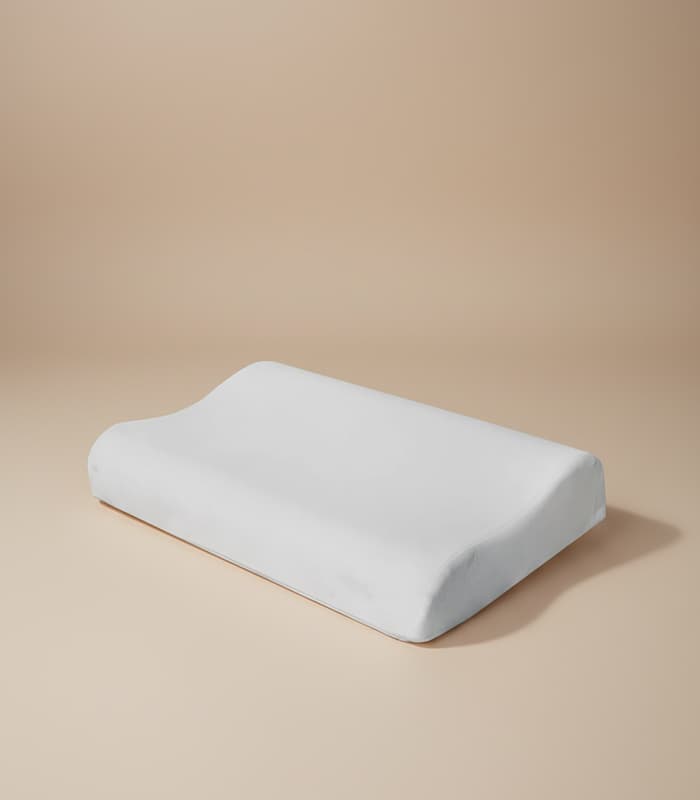
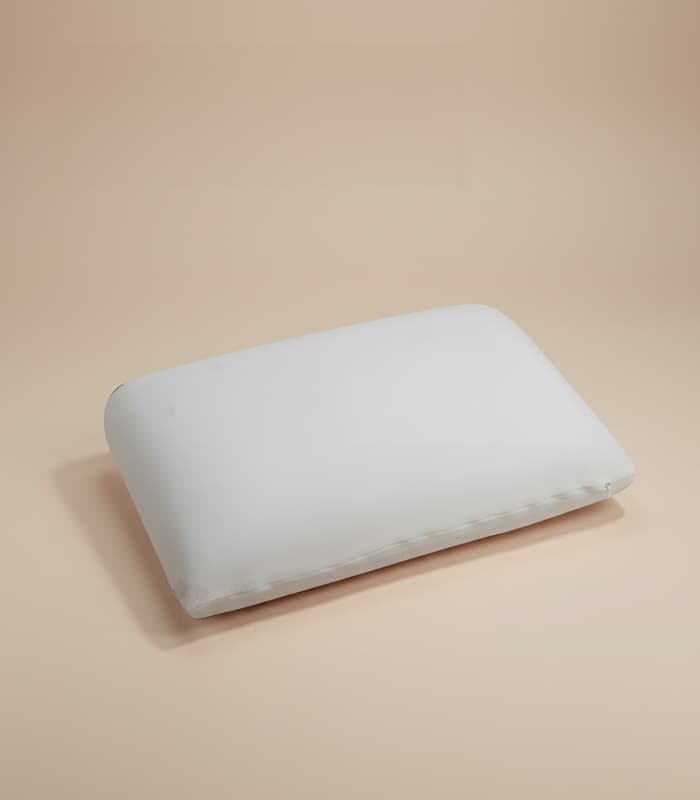
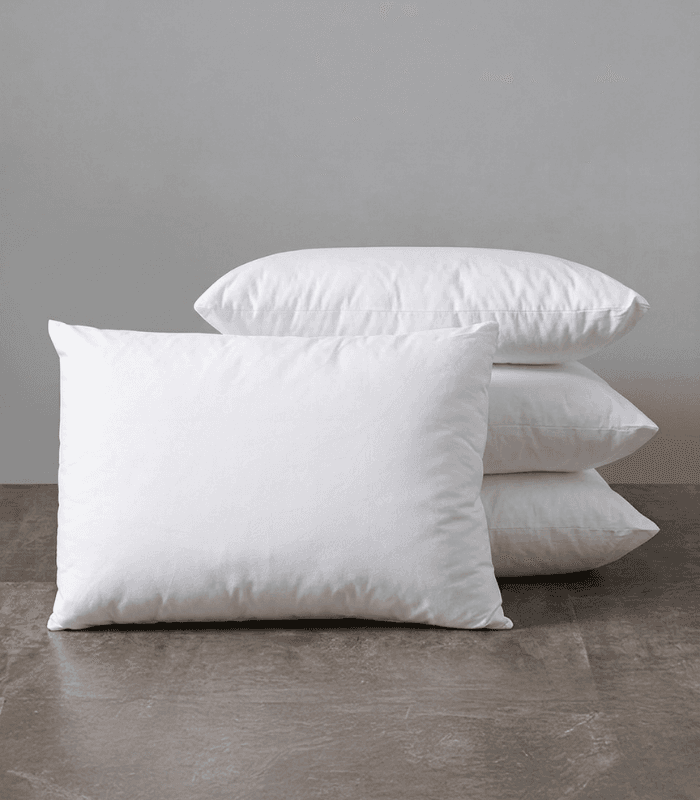
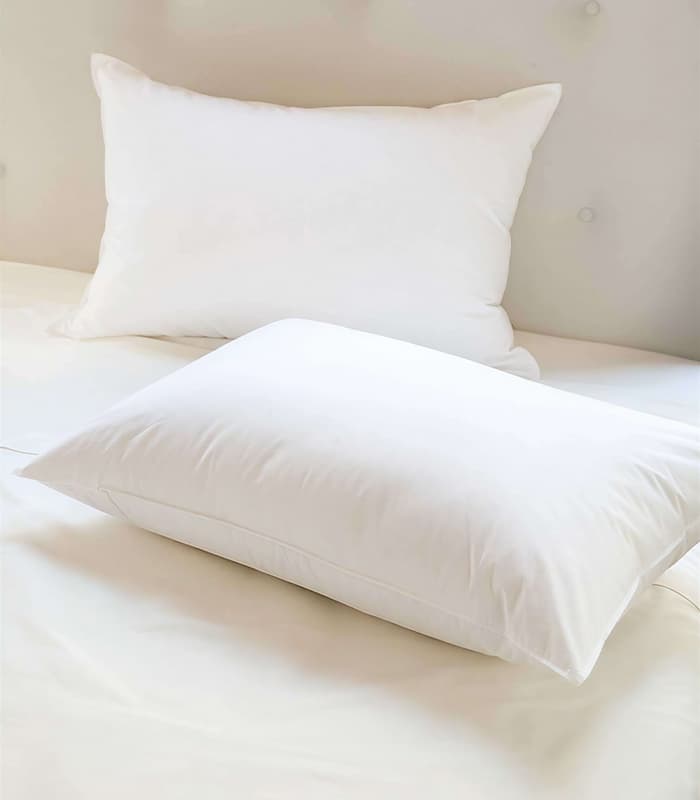
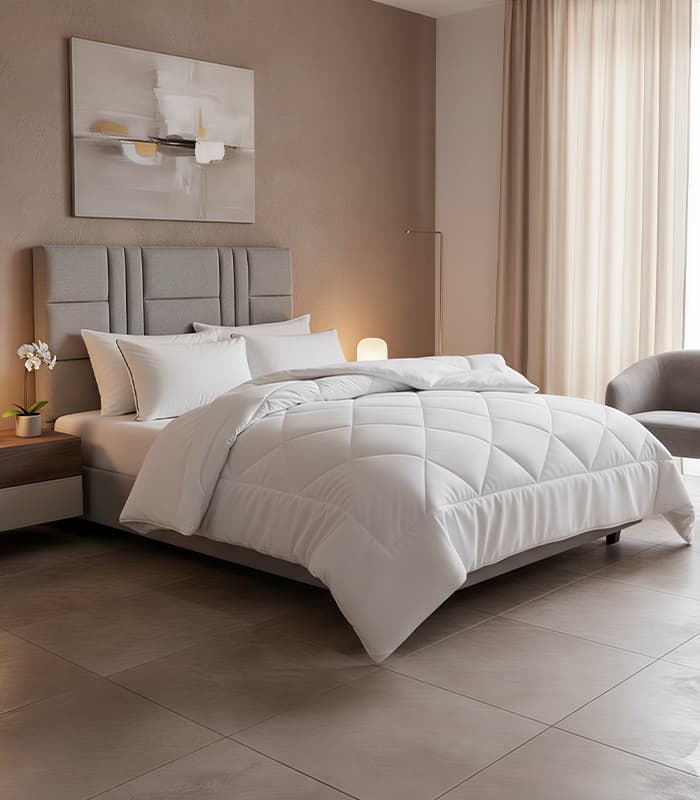
Everyone wants the same thing from a duvet: warm, light, comfortable, with no excess heat and no weight pressing down on you. A duvet doesn't only keep you warm on cold winter nights — it also regulates your body temperature and lets your skin breathe while you sleep.
Most people buy on looks and colour alone, then discover the problem later: poor airflow, waking up damp, or irritated allergies. This guide goes through the fillings, weights and stitching so you can choose the right duvet for your bed.
Working out how much warmth you need
You're looking for a balance between the weight of the filling and its ability to hold warmth without trapping moisture:
- Summer duvets (light): a low-density filling and a breathable outer fabric that lets air through instead of holding heat. Right for warm rooms and summer months — the Summer Fiber Quilt is one of these.
- Winter duvets: an evenly dense filling that holds heat in and keeps cold air out. The Striped Winter Duvet is an example.
- All-season duvets: a flexible middle ground for rooms with adjustable heating or air conditioning, giving moderate warmth and decent airflow, like the All Seasons Quilt.
In Egypt specifically, an unheated bedroom in January sits somewhere between 8 and 12°C — which doesn't call for the heaviest duvet on the shelf. There's more on this in choosing a duvet weight for an Egyptian winter.
Fillings: microfibre, cotton or down?
The filling decides how light the duvet feels, how it drapes, and how you'll care for it.
Microfibre. The most common filling in modern duvets: light, soft, and woven closely enough that it isn't a hospitable environment for dust mites — which makes it a sensible choice if you have respiratory allergies. The Hollow Fiber Quilt is one.
Natural cotton. Absorbs moisture well and breathes naturally, so it keeps you dry through the night. Excellent if you sleep hot, though it's heavier.
Down and feather. The highest warmth for the lowest weight, but it needs dry cleaning and doesn't suit anyone allergic to feathers. The practical alternative is a fibre made to imitate the feel, like the Fiber Down-Like Quilt — the same softness, and you can wash it at home.
Size and stitching
Stitching matters as much as filling, because it's what keeps the filling evenly spread.
- Box stitching: the duvet is divided internally into square pockets with fabric walls between them, so the filling can't migrate or bunch into one side after repeated washing.
- Sewn-through: the top and bottom layers are stitched directly together. Fine for light summer duvets.
Getting the size right: pick a duvet that overhangs the mattress by 20–30 cm on each side so the bed is properly covered. And since size names here aren't standardised, measure your mattress before ordering — the full explanation is in bed sizes in Egypt.
Making a duvet last
- Use a duvet cover. It protects the duvet from dirt and stains, and you wash the cover weekly instead of the whole duvet. The Cotton Quilt Cover does this job.
- Dry it properly. After washing, make sure it dries all the way through, either somewhere well ventilated or in a dryer on low heat, so no damp is left inside the filling.
- Store it properly. Use a fabric bag that lets air through, not a sealed plastic one that holds moisture in.
Choosing yours
A duvet isn't only a cover for the bed — it's the layer that finishes the room and decides how the night goes. Look for soft, breathable materials and the warmth level your actual bedroom calls for, and browse Sleep Station duvets to find the one for your bed.